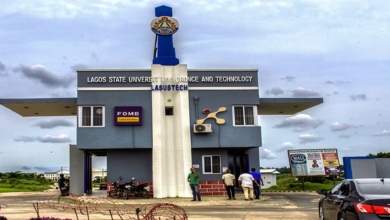
For students aiming to specialise in engineering, computer science, artificial intelligence, or industrial sciences, Nigeria’s Universities of Technology offer a distinct advantage over conventional institutions. Unlike general universities such as UNILAG or UI, these schools are mandated to focus strictly on applied sciences and technological innovation making them the primary choice for students who want practical, industry-ready skills.
This guide ranks the top 10 Universities of Technology in Nigeria for 2026, based on research output, facility quality, current tuition trends, JAMB cut-off marks, and graduate employability.
Why Choose a University of Technology Over a Regular University?
Universities of Technology in Nigeria are not smaller versions of conventional universities they are purpose-built institutions with a fundamentally different mandate. Their curricula are designed around engineering, computing, applied sciences, and industrial innovation. This means tighter industry partnerships, more hands-on laboratory time, and graduates that employers in technical sectors recognise as job-ready.
The trade-off is specialisation. If you want to study Law, English Literature, or Mass Communication, a conventional university is the right fit. But if your goal is engineering, computer science, biotechnology, marine technology, or any applied science discipline, a University of Technology will give you a more focused, more practical education often at a lower cost than a private university.
Quick Comparison: Top 10 Universities of Technology in Nigeria 2026
| Rank | University | Type | Location | Est. Fees (Fresh Students) | Core Strengths |
| 1 | FUTA | Federal | Akure, Ondo | ₦210,000+ | Engineering, Mining, Computer Science |
| 2 | FUTO | Federal | Owerri, Imo | ₦180,000+ | Petroleum Engineering, Geology |
| 3 | LAUTECH | State | Ogbomoso, Oyo | ₦300,000 – ₦780,000 | Computer Science, Cyber Security, Medicine |
| 4 | FUTMinna | Federal | Minna, Niger | ₦130,000 – ₦150,000 | Biotechnology, Artificial Intelligence |
| 5 | Tech-U | State | Ibadan, Oyo | ₦1,300,000+ | Mechatronics, Forensic Science |
| 6 | RSU | State | Port Harcourt | ₦150,000 – ₦200,000 | Marine & Offshore Engineering |
| 7 | ATBU | Federal | Bauchi | ₦50,000 – ₦80,000 | Civil Engineering, Mechanical Engineering |
| 8 | Bells University | Private | Ota, Ogun | ₦700,000+ | Biomedical Engineering, Agri-Tech |
| 9 | ESUT | State | Enugu | ₦150,000+ | Computer Engineering, Management Sciences |
| 10 | MAU | Federal | Yola, Adamawa | ₦40,000 – ₦60,000 | Agricultural Technology, Environmental Science |
Full School Reviews: Top 10 Universities of Technology in Nigeria 2026
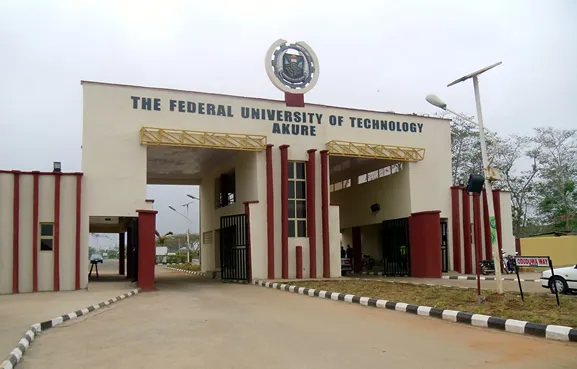
1. Federal University of Technology, Akure (FUTA)
Type: Federal | Location: Akure, Ondo State | Est. Freshers Fees: ₦210,000+
Overview
FUTA is widely regarded as Nigeria’s premier university for engineering and technology. It consistently ranks among the highest-placed Nigerian universities on Times Higher Education and Research.com due to its prolific research output. The university maintains a strict focus on technological advancement, deliberately avoiding the dilution of its curriculum with unrelated arts or humanities programmes, a policy that keeps its academic culture intensely technical and research-oriented.
In the 2026 Times Higher Education World University Rankings, FUTA is among the Nigerian institutions in the 1501+ global band and part of the 51 Nigerian universities that made the ranking, a list dominated by research-intensive institutions.
Key Departments & Programmes
The College of Enginnering (now housing School or Electrical and Systems Engineering and School of Material and Infrastucture Engineering) and the School of Computing are among the most competitive in Nigeria. Mining Engineering and Remote Sensing are standout programmes that attract active industry partnerships from the solid minerals sector.
Admission Requirements (2025/2026)
FUTA’s JAMB cut-off mark for 2025/2026 is 180, though competitive departments such as Computer Science and Electrical Engineering typically require merit scores significantly higher. Candidates must have Credit passes in English, Mathematics, Physics, Chemistry, and Biology or Agricultural Science, obtained in no more than two sittings.
Verified 2025/2026 Developments
- At the 36th Convocation, FUTA graduated 3,614 students 240 earned First Class honours, 1,479 Second Class Upper, and 154 received PhD degrees, one of the strongest postgraduate output figures in any Nigerian university of technology
- FUTA introduced new degree programmes for 2025/2026 in Nursing, Digital Technologies, Fintech, Environmental Sciences, and Renewable Energy expanding its reach into high-demand emerging fields
- A FUTA research team won the prestigious IEEE Geoscience and Remote Sensing Society Student Grand Challenge, becoming the only African team selected for the competition
- FUTA won 7 out of 128 grants awarded by the National Research Fund (NRF) the Vice Chancellor confirmed the university plans to widen these to full industry partnerships
- FUTA secured a Nigeria/Czech Republic joint grant for bioethanol plant development, and is participating in the Space-based Flood Awareness System for Africa a multimillion-dollar project funded by the Independent Research Fund Denmark and led by Aalborg University
- The DAAD (German Academic Exchange Service) is offering a fully funded In-Country/In-Region scholarship at FUTA for Sub-Saharan African postgraduate students. The package covers full tuition plus an annual stipend of €8,920 for research, thesis, and living expenses
- The Grace Trust Fund Entrepreneurship Project 2026 offers ₦100,000 each to five FUTA students running existing businesses part of the university’s embedded entrepreneurship culture
- New infrastructure developments include lecture theatres, laboratories, and student hostels funded through TETFund, PTDF, and capital appropriation
Why Students Choose FUTA: The school’s research output and global name recognition give graduates a credibility advantage when applying for roles or postgraduate programmes abroad. For engineering disciplines in Nigeria, FUTA is the benchmark institution.
Practical Note: Akure is a mid-sized city with manageable living costs compared to Lagos. Students should budget ₦150,000–₦200,000 annually for accommodation and feeding outside school fees.
2. Federal University of Technology, Owerri (FUTO)
Type: Federal | Location: Owerri, Imo State | Est. Freshers Fees: ₦180,000+
Overview
Established in 1980, FUTO is the oldest University of Technology in Nigeria and the leading technology institution in the South East. Its location near the Niger Delta has historically positioned it as a feeder institution for Nigeria’s oil and gas sector. The university operates under its “Technology for Service” motto, and its academic culture is characterised by rigorous, demanding programmes that produce technically competent graduates.
FUTO appears in the 2026 Times Higher Education World University Rankings, confirming its continued status among Nigeria’s recognised research institutions.
Key Departments & Programmes
FUTO leads in Petroleum Engineering, Geology, and Polymer and Textile Engineering. Its School of Health Technology offers Optometry, Prosthetics, and Orthotics programmes rare among Nigerian universities. The university hosts several dedicated centres for energy research.
Alumni Network
FUTO’s alumni network is deeply embedded in the oil and gas sector. Shell, Chevron, TotalEnergies, and ExxonMobil all have significant numbers of FUTO graduates in technical and management positions, a direct pipeline that makes FUTO the strongest choice for students targeting the energy sector.
Admission Requirements (2025/2026)
Competitive departments typically require merit JAMB scores of 200 and above. Five O’Level credits including Mathematics, Physics, English, Chemistry, and a relevant science subject are required.
Practical Note: Owerri is a highly social, vibrant city. Students who want to maximise academic output need a structured personal schedule; the city offers significant distractions outside campus.
3. Ladoke Akintola University of Technology (LAUTECH)
Type: State | Location: Ogbomoso, Oyo State | Est. Freshers Fees: ₦300,000 – ₦780,000
Overview
Owned by the Oyo State Government since November 2020 (when Oyo took sole ownership from the former Oyo/Osun joint arrangement), LAUTECH has consolidated its position as one of Nigeria’s leading technology universities. According to Webometrics rankings, LAUTECH has been rated the best university of technology in Nigeria and the best state university in the country, a distinction it also earned from the Nigerian Universities Commission (NUC) in 2003 and 2004.
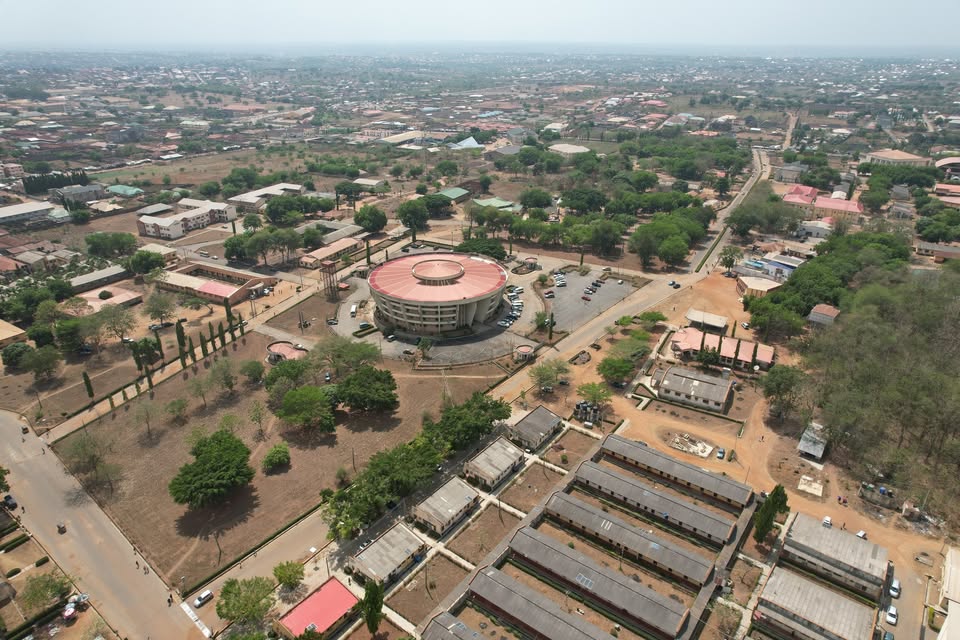
The student population is heavily inclined towards digital skills, creating a vibrant tech ecosystem on campus that produces some of Nigeria’s current generation of startup founders.
Key Departments & Programmes
The Department of Computer Science is among the most respected in the country. Cyber Security is growing rapidly as a specialisation. The university also runs a College of Health Sciences offering Medicine and Nursing programmes rare for a technology-focused institution.
Financials
Tuition is significantly higher than federal options. Depending on the course and indigenisation status, fees range from ₦300,000 to over ₦780,000 per session. Non-indigenes of Oyo State should expect to pay towards the higher end of this range.
Practical Note: Ogbomoso is a quieter, more focused campus environment than cities like Ibadan or Lagos. Social life is described by students as conservative which many find an advantage for academic output.
4. Federal University of Technology, Minna (FUTMinna)
Type: Federal | Location: Minna, Niger State | Est. Freshers Fees: ₦130,000 – ₦150,000
Overview
FUTMinna was established in 1983 with the mission of producing a skilled, innovative workforce to transform Nigeria’s natural resources through engineering, science, and technology. It is designated as a Centre of Excellence in Biotechnology and Genetic Engineering, funded through the World Bank’s Step-B project. The university is currently committed to training graduates in ICT, entrepreneurship, and innovation-driven engineering.
In the 2026 Times Higher Education World University Rankings, FUTMinna is listed at position 7 nationally among all Nigerian universities placing it ahead of FUTA and FUTO in the global ranking table. This is a significant recognition of its research output and institutional quality.
Key Departments & Programmes
Mechatronics Engineering, Cyber Security, Telecommunications Engineering, Biotechnology, and Genetic Engineering are among the strongest programmes. FUTMinna has recently launched professional certification courses in Artificial Intelligence and Blockchain technology, keeping its curriculum aligned with industry demand.
Admission Requirements (2025/2026)
FUTMinna’s JAMB cut-off mark for 2025/2026 is 150–180, with competitive departments requiring higher scores. The Post UTME screening for 2025/2026 was conducted electronically with no physical exams required. The 2025/2026 undergraduate and postgraduate admission lists have both been released, with postgraduate applications having closed in April 2026. The 38th Matriculation ceremony for 2025/2026 has been announced.
Financials
School fees remain between ₦30,000 and ₦70,000 depending on the level and course, one of the lowest among federal universities of technology in Nigeria. This makes FUTMinna one of the best value-for-money options in the entire university system.
Practical Note: The Gidan Kwano main campus hosts modern laboratories for genetic research and AI development. Minna is an affordable city to live in and students benefit from low daily living costs throughout their programme.
5. First Technical University (Tech-U), Ibadan
Full Name: Abiola Ajimobi Technical University | Type: State | Location: Ibadan, Oyo State | Est. Freshers Fees: ₦1,300,000 – ₦1,600,000
Overview
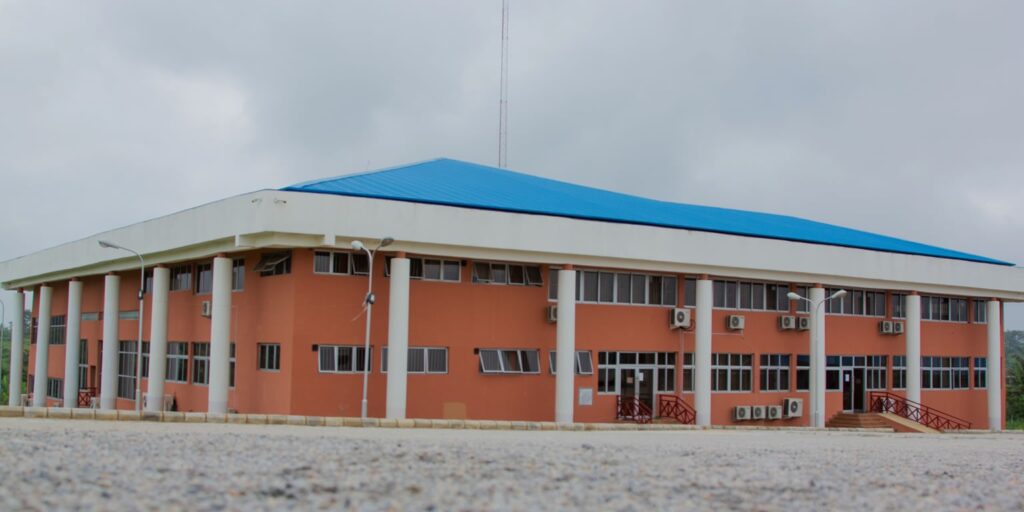
Tech-U operates on a unique model: a state-owned university that runs with the efficiency and facilities of a private institution. It guarantees a stable academic calendar with no ASUU strikes, 24/7 power supply on campus, and fully equipped engineering workshops. For families who want private university-level infrastructure but in a secular, technology-focused environment, Tech-U is the only institution in Nigeria that fills that exact gap.
Key Departments & Programmes
Tech-U offers rare, high-demand courses that few other Nigerian universities carry: Forensic Science, Biomedical Engineering, Petroleum Engineering, and Mechatronics Engineering. The curriculum places a strong emphasis on entrepreneurship and technical vocational training (TVET), ensuring graduates enter the workforce with both technical and commercial skills.
Financials
Engineering students pay approximately ₦1.3 million to ₦1.6 million per session clearly placing this in the premium category. This is the primary limiting factor for many applicants.
Practical Note: For students who can access the funding, Tech-U offers something no other state university in Nigeria currently matches: predictable graduation dates, modern labs, and zero strike disruption risk.
6. Rivers State University (RSU)
Formerly: University of Science and Technology (UST) | Type: State | Location: Port Harcourt, Rivers State | Est. Freshers Fees: ₦150,000 – ₦200,000
Overview
RSU holds the distinction of being the first technological university established in Nigeria, founded in 1980. Located in Port Harcourt the commercial heart of Nigeria’s oil and gas sector RSU is the unrivalled centre for maritime and marine engineering education in the South-South region. The university appears in the 2026 Times Higher Education World University Rankings, confirming its continued presence among Nigeria’s recognised research institutions.
Key Departments & Programmes
Marine Engineering and Offshore Engineering are the university’s flagship programmes. RSU hosts a Centre of Excellence in Marine and Offshore Engineering, supported by SPDC (Shell), which includes rare specialist facilities: a towing tank and a full hydrodynamics laboratory. These are facilities no other Nigerian university carries at this level.
Admission
Admission is open to all Nigerian students, though there is a strong catchment policy giving priority to Rivers State indigenes for available spaces.
Practical Note: Port Harcourt is an expensive city by Nigerian standards, with living costs reflecting its oil economy. Students should budget accordingly for accommodation and daily expenses.
7. Abubakar Tafawa Balewa University (ATBU), Bauchi
Type: Federal | Location: Bauchi, Bauchi State | Est. Freshers Fees: ₦50,000 – ₦80,000
Overview
Named after Nigeria’s first Prime Minister, ATBU serves as the technological and engineering hub of the North-East region. It is a federal university known for its extensive School of Engineering and its focus on rigorous, traditional engineering disciplines that form the backbone of Nigeria’s construction, manufacturing, and infrastructure sectors.
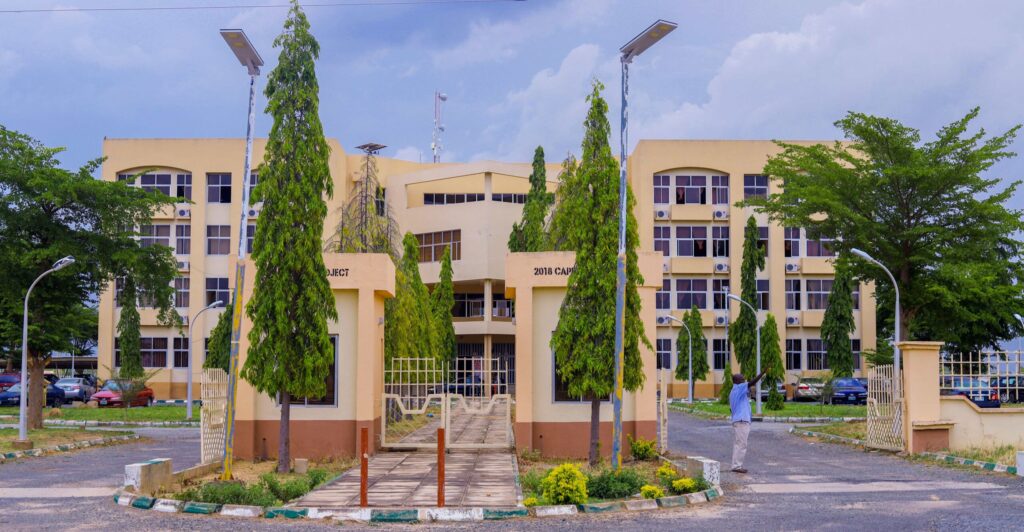
ATBU appears in the 2026 Times Higher Education World University Rankings alongside the other major Nigerian institutions, reflecting its consistent research output and graduate quality.
Key Departments & Programmes
Civil Engineering, Mechanical Engineering, and Architecture are the strongest programmes. The university has a long track record of producing competent engineers who are well-represented in the construction and manufacturing sectors nationwide.
Financials
ATBU is arguably the most affordable institution on this list. Registration and tuition fees for fresh students are typically under ₦100,000 making it the most accessible quality engineering university in Northern Nigeria.
Practical Note: Bauchi is an affordable city with low living costs. Students targeting civil service or construction-sector careers in the North benefit from ATBU’s strong regional alumni network.
8. Bells University of Technology, Ota
Type: Private | Location: Ota, Ogun State | Est. Freshers Fees: ₦700,000+
Overview
Bells University of Technology is Nigeria’s first private university of technology, offering a fast-tracked academic path completely free from ASUU industrial strikes. Its location in Ota one of Nigeria’s most industrialised cities in Ogun State, adjacent to Lagos gives students unmatched access to internship placements (SIWES) and live industry collaboration during their studies.
The university recently introduced tuition-free scholarships for specific agriculture-based courses, a deliberate policy to boost food security graduates. This makes Bells one of the few private institutions actively using scholarship incentives to shape its graduate output in line with national priorities.
Key Departments & Programmes
Biomedical Engineering, Architecture, and Computer Science are the standout programmes. The proximity to Lagos and its industrial corridor means SIWES placements at manufacturing firms, tech companies, and engineering firms are more accessible here than at most other institutions.
Financials
Standard private university fees apply, generally starting from ₦700,000 per session and rising depending on the programme.
Practical Note: If speed of graduation and immediate Lagos/Ogun industry access are your priorities, Bells delivers on both without the uncertainty of the public university calendar.
9. Enugu State University of Science and Technology (ESUT)
Type: State | Location: Enugu, Enugu State | Est. Freshers Fees: ₦150,000+
Overview
ESUT was founded with the aim of driving technological advancement in the South East. The university has built a reputation for a strong Faculty of Engineering and a vibrant, engaged student community in Enugu, one of the region’s most commercially active cities.
ESUT features in the 2026 Times Higher Education World University Rankings, placing it among the 51 Nigerian institutions with sufficient research output to qualify for global assessment.
Key Departments & Programmes
Computer Engineering and Surveying/Geoinformatics are the standout departments. ESUT takes a distinctive approach to technical education by blending technology with management sciences producing versatile graduates who can move between purely technical roles and management-level positions in engineering firms.
Financials
Fresh students pay an acceptance fee plus tuition totalling approximately ₦150,000, placing ESUT among the more affordable state universities of technology in the South East.
Practical Note: The Agbani campus is extensive, though infrastructure quality varies by department. Visiting your specific faculty before enrolment is strongly recommended.
10. Modibbo Adama University (MAU), Yola
Formerly: Federal University of Technology, Yola | Type: Federal | Location: Yola, Adamawa State | Est. Freshers Fees: ₦40,000 – ₦60,000
Overview
MAU has a focused specialisation that distinguishes it from every other university on this list: Agriculture and Environmental Science applied through technology. It is a key centre for research into arid-zone agriculture and technology filling a gap in Nigeria’s higher education system that is critical given that the North East and North West of the country face some of the most severe agricultural and environmental challenges on the continent.
Key Departments & Programmes
Agricultural Technology, Operations Research, and Environmental Management are the core programmes. The university is structured around specialised Schools for Life Sciences and Physical Sciences, giving it a depth in agricultural technology that no other institution on this list can match.
Financials
With fees between ₦40,000 and ₦60,000 for fresh students, MAU offers the best cost-to-federal-degree ratio on this entire list. For students targeting Agricultural Technology or Environmental Sciences fields with growing demand as climate challenges intensify the return on investment is substantial.
Practical Note: Yola is one of the quietest, most affordable university cities in Nigeria. Students who prefer a distraction-free environment for focused academic work often describe it as an advantage.
How to Choose the Right University of Technology in Nigeria
The right choice depends on three factors: your career target, your budget, and your location preference.
- For Academic Prestige and Research Recognition
FUTA and FUTMinna are the clear leaders. FUTMinna’s placement at position 7 nationally in the 2026 Times Higher Education rankings is a verifiable credential that benefits graduates applying for roles or postgraduate programmes internationally.
- For the Oil and Gas Sector
FUTO is the first choice. Its alumni penetration at Shell, Chevron, TotalEnergies, and ExxonMobil is the deepest of any Nigerian university. For marine and offshore engineering specifically, RSU in Port Harcourt is unrivalled.
- For Computer Science and Technology Startups
LAUTECH produces the highest concentration of tech startup founders among all universities of technology in Nigeria. The on-campus tech culture is a genuine differentiator.
- For Stable Calendar and On-Time Graduation
The January 2026 FG-ASUU agreement which includes a 40% salary increase and a revised funding framework has significantly reduced strike risk at federal universities for the first time in over a decade. If fully implemented, federal institutions like FUTA, FUTO, and FUTMinna will be far more calendar-stable than they have been historically. However, for families who want zero disruption risk guaranteed today, Tech-U and Bells University remain the safest choices since they have never been subject to ASUU industrial action.
For Maximum Affordability MAU in Yola and ATBU in Bauchi offer federal degree quality at fees that are among the lowest in the entire Nigerian university system.
What’s New in 2026: Sector-Wide Developments Every Applicant Should Know
New Universities of Technology Approved
In 2025/2026, the National Universities Commission (NUC) approved 33 new universities in Nigeria bringing the total to 309. Among the newly approved federal institutions are several with technology and applied sciences mandates, including the Federal University of Technology and Environmental Studies (Iyin-Ekiti, Ekiti State), the Federal University of Applied Sciences (Kachia, Kaduna State), and the Federal University of Environment and Technology (Tai Town, Rivers State). These new institutions are still becoming operational and are not yet ranked, but they signal the government’s commitment to expanding technology-focused education across the country.
TETFund ₦6.5 Billion 2026 Intervention
TETFund has announced a ₦6.5 billion intervention allocation for tertiary institutions in 2026, directed at infrastructure, research, and equipment. Federal Universities of Technology particularly FUTA, FUTMinna, and ATBU are historically the largest beneficiaries of TETFund capital allocations. This funding directly affects laboratory quality, hostel construction, and research capacity at the schools on this list.
The January 2026 FG-ASUU Agreement
On January 14, 2026, the Federal Government and ASUU signed an agreement that ended more than 16 years of dispute over the 2009 FGN-ASUU pact. Key terms include a 40% salary increase for all academic staff, improved pension conditions, stronger university autonomy, and a dedicated funding commitment for research and infrastructure. The agreement took effect January 1, 2026. The Minister of Education has declared that ASUU strikes are “permanently over,” and approximately 90–95% of federal institutions have already begun paying the salary increase. This is the single most important development for prospective students of federal universities in 2026; it directly reduces the strike risk that has historically made federal institutions unpredictable.
AI UniPod Initiative at Nigerian Universities
The Federal Government, in partnership with UNDP, has flagged off an Artificial Intelligence (AI) UniPod initiative at the University of Lagos as a pilot, with plans to expand it across Nigerian universities. This initiative, aimed at transforming universities into AI innovation hubs, is expected to benefit Universities of Technology first particularly FUTMinna, which is already a designated Centre of Excellence in Biotechnology and AI research.
Frequently Asked Questions
Which University of Technology is the best in Nigeria?
According to Webometrics rankings, LAUTECH (Ladoke Akintola University of Technology) has been ranked the best University of Technology in Nigeria, with FUTA and FUTMinna in second and third positions respectively. For global research recognition specifically, FUTMinna holds the highest position (7th nationally) in the 2026 Times Higher Education World University Rankings among all Nigerian universities of technology.
Which University of Technology is the cheapest in Nigeria?
Modibbo Adama University (MAU), Yola, and Abubakar Tafawa Balewa University (ATBU), Bauchi, are the most affordable. Fresh students at MAU pay between ₦40,000 and ₦60,000 per session, and ATBU is typically under ₦100,000 making both highly accessible compared to southern counterparts.
Do Universities of Technology go on strike?
This has changed significantly in 2026. On January 14, 2026, the Federal Government and ASUU signed a landmark agreement, the first major resolution of the long-running 2009 FGN-ASUU dispute in over 16 years. The deal includes a 40% salary increase for academic staff, improved pension benefits (professors retiring at 70 on full annual salary pensions), stronger university autonomy, and a dedicated funding framework for research, libraries, and laboratories. The government has declared ASUU strikes “permanently over” and the 40% salary increase has already begun rolling out at most federal institutions.
This is the most important development for anyone choosing a federal university in Nigeria in 2026. If the agreement holds and is fully implemented, the strike risk that has historically made federal universities unpredictable is significantly reduced. However, analysts caution that implementation track record matters and students should monitor the situation before committing.
That said, state-owned institutions like Tech-U and private universities like Bells University of Technology still offer the most guaranteed calendar stability and remain the safest bet for anyone who cannot absorb any disruption risk.
What JAMB cut-off mark do I need for Universities of Technology in Nigeria?
The minimum JAMB cut-off for 2025/2026 is 180 for FUTA and 150–180 for FUTMinna, though competitive courses like Computer Science, Mechanical Engineering, and Petroleum Engineering typically require merit scores of 200 to 250 or higher, depending on the institution and the applicant pool for that session.
Can I study Medicine or Law in a University of Technology?
Universities of Technology do not offer Law. However, some have expanded to include Colleges of Health Sciences LAUTECH, FUTA, and FUTO all offer Medicine and/or Nursing. Always check the specific JAMB brochure for your intended institution and course before applying.
Is a University of Technology better than a conventional university like UNILAG?
It depends entirely on your goal. If you want practical, industry-specific technical skills in engineering, computing, or applied sciences, a University of Technology will give you a more focused, hands-on education and a stronger connection to relevant industries. If you prefer a broader academic environment with diverse faculties Arts, Law, Social Sciences a conventional university is the better fit. Neither is categorically superior; they serve different career trajectories.
What are the O’Level requirements for Universities of Technology?
Almost all Universities of Technology in Nigeria require a minimum of five O’Level credit passes at WAEC, NECO, or NABTEB, including English Language and Mathematics. Physics and Chemistry are mandatory for most engineering and science programmes. Results must be obtained in no more than two sittings. Always verify the specific subject combination for your intended programme in the JAMB brochure.
Which University of Technology is best for engineering in Nigeria?
FUTA, FUTO, and FUTMinna consistently produce the strongest engineering graduates nationally. FUTA leads in civil, electrical, and mining engineering. FUTO is the best for petroleum, polymer, and health technology engineering. FUTMinna is the leader in mechatronics, biotechnology, and AI-integrated engineering. For marine and offshore engineering specifically, RSU in Port Harcourt is unrivalled.
Have a question about a specific course or institution not covered here? Drop it in the comments below.
wd