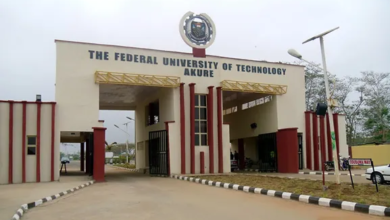
Best Polytechnic in Nigeria 2026: Top 10 Ranked by Accreditation, Stability & Employability

If you are searching for the best polytechnic in Nigeria in 2026, you already understand something many people are only beginning to figure out: a strong HND from the right school can be worth more, in practical terms, than a weak degree from a struggling university. The Nigerian job market is no longer just asking what paper do you have? It is asking what can you actually do?
This guide ranks the top 10 polytechnics in Nigeria for 2026, based on NBTE accreditation status, academic calendar stability, industry partnerships, employability records, and verified 2025/2026 developments at each institution. Whether you are a fresh WAEC candidate, a working professional looking to upgrade, or a parent trying to make sense of the options, this is the most detailed breakdown you will find.
What to Know Before Applying to Any Polytechnic in Nigeria
Before looking at the list, here are the ground rules every prospective student must understand. These facts apply across all polytechnics in Nigeria.
Entry Routes Available
- Full-Time (Regular) – the standard daytime programme
- Daily Part-Time (DPT) – evening classes, typically 4pm to 8pm
- Weekend Part-Time – Saturday and/or Sunday classes for working professionals
- ODFeL (Open Distance and Flexible e-Learning) – fully or partially online, now available at several federal polytechnics
Minimum Entry Requirements
- At least 5 O’Level credits (WAEC, NECO, or NABTEB) including English Language and Mathematics
- 3 additional subject credits relevant to your chosen programme
- Results must be obtained in no more than 2 sittings
- A valid JAMB UTME score minimum cut-off is 120, but competitive schools typically require between 150 and 200+
The Full Programme Timeline
| Stage | Duration |
| ND (National Diploma) | 2 years |
| IT/SIWES (Industrial Training) | 1 mandatory year |
| HND (Higher National Diploma) | 2 years |
| Total | 5 years |
Fee Reality for 2025/2026
- Federal Polytechnics: ₦45,000 – ₦80,000 per session
- State Polytechnics: ₦60,000 – ₦150,000 per session (varies by state)
- Lagos State institutions tend to be on the higher end due to recent fee increases
HND Upgrade Requirements
- Minimum Lower Credit in your ND result
- Evidence of completion of 1-year Industrial Training (IT/SIWES)
- Some programmes may require a Pass in specific ND courses
Top 10 Polytechnics in Nigeria 2026 Quick Comparison
| Rank | School | State | Type | Best Known For |
| 1 | YABATECH | Lagos | Federal | Engineering, Art & Design, Mass Comm |
| 2 | Fed Poly Ilaro | Ogun | Federal | Calendar Stability, Accountancy, ICT |
| 3 | Auchi Polytechnic | Edo | Federal | Engineering, Building Tech, Oil & Gas |
| 4 | Fed Poly Nekede | Imo | Federal | Applied Sciences, Cybersecurity, Innovation |
| 5 | Kaduna Polytechnic | Kaduna | Federal | Railway Engineering, Mass Comm, Multi-Campus |
| 6 | Polytechnic Ibadan | Oyo | State | Business Studies, Engineering, Heritage City |
| 7 | LASUSTECH | Lagos | State | Computer Science, Agricultural Technology |
| 8 | Rufus Giwa Polytechnic | Ondo | State | Agricultural Technology, Management |
| 9 | Fed Poly Bida | Niger | Federal | Business Administration, Entrepreneurship |
| 10 | IMT Enugu | Enugu | State | Graphic Design, Marketing, Mass Comm |
Full School Profiles: Top 10 Polytechnics in Nigeria 2026
1. Yaba College of Technology (YABATECH) Lagos
Founded: 1947 | Type: Federal | Location: Yaba, Lagos State
YABATECH is Nigeria’s oldest institution of higher learning and consistently holds the number one position on the Webometrics Ranking of Higher Institutions, the global index that measures web content, research output, and academic citation. No other polytechnic in Nigeria comes close to matching its brand recognition, industry connections, or alumni network density. When employers, banks, tech companies, and media houses think of polytechnic education in Nigeria, YABATECH is the first name they reach for.

The school runs programmes across Engineering, Art Design and Printing, Management and Business Studies, Environmental Studies, Pure and Applied Sciences, and Agricultural Technology. Its School of Art, Design and Printing is considered the strongest of its type in West Africa. For 2025/2026, YABATECH has confirmed that HND admissions are open in both Full-Time and Part-Time modes, and ND Part-Time admissions covering weekday/evening and weekend tracks are also underway.
Verified 2025/2026 Developments:
- Graduated 8,654 students at the 37th Convocation 291 earned Distinction, among the highest distinction counts in any polytechnic convocation in Nigeria
- The Federal Government is reviewing a report to transform YABATECH into Yaba Technical and Vocational University (YTVU); the Senate Majority Leader confirmed progress at the 37th Convocation Lecture
- YABATECH matriculated 12,000 new students for 2025/2026 and recently received accreditation for additional courses
- First Bank of Nigeria is in active talks to establish a 24-hour Digital Experience Centre on campus
- Signed an MoU with Semicolon Africa for human capital development, creating direct tech career pathways for students
- Won Best Tourism Tertiary Institution in Southwest Nigeria at the 2025 Southwest International Tourism Expo
- IDEAS-TVET Initiative flagged off a Youth Employment Through Skills Acquisition Fund on campus
- Hassan Sunmonu Centre for Leadership and Governance officially launched
Why Students Choose YABATECH: The school’s industry connections are unmatched in the polytechnic sector. Banks, tech firms, media houses, and engineering companies actively recruit here. Its JAMB cut-off is typically around 140, but competitive programmes like Mass Communication, Computer Science, and Electrical Engineering consistently require much higher scores due to applicant volumes.
Practical Note: Yaba is one of the most expensive areas in Lagos for student accommodation. Budget at least ₦150,000–₦250,000 per year for housing and feeding outside of school fees. Many students commute from Ikorodu, Agege, or Gbagada. Plan your housing before arrival, not after.
2. Federal Polytechnic, Ilaro – Ogun State
Founded: 1979 | Type: Federal | Location: Ilaro, Ogun State
If academic calendar stability is your top priority and for many students and parents it absolutely should be Federal Polytechnic Ilaro has no peer in the Nigerian polytechnic system. For close to two decades, no strike has disrupted a single semester at this institution, a record that stands alone in the sector. When a firm hires an Ilaro graduate, they know the student completed their programme on schedule, without the strike-induced gaps that plague graduates from less stable institutions.
The school is fully NBTE-accredited across Management Studies, Engineering, Environmental Studies, Pure and Applied Sciences, Communication and Information Technology, and Part-Time Studies. Over 75% of its student population comes from Southern Nigeria, reflecting a genuinely national draw that few state-located polytechnics can match.
Verified 2025/2026 Developments:
- The 2025/2026 academic session commenced with a structured matriculation ceremony in March 2026, maintaining the school’s record of punctual calendar delivery
- The institution has fully deployed the Blackboard Learning Management System exams, submissions, and course materials are now on an organised digital platform
- A Bio-Informatics Training and Research facility was recently inaugurated, expanding into biotechnology and health data sciences
- Federal Polytechnic Ilaro is participating in a Federal University of Technology, Ilaro (FUTI) programme reflecting its relationship with the new university being spun off from its campus
- 795 distinction graduates at the most recent convocation a figure that reflects sustained academic quality
Why Employers Trust Ilaro Graduates: Financial institutions such as GTBank and Zenith Bank are known to view Ilaro graduates favourably for their discipline and on-schedule programme completion. The strict enforcement of dress codes, compulsory attendance, and zero tolerance for academic malpractice produces graduates who slot naturally into formal work environments.
Practical Note: Ilaro is a quiet, small town, a genuine advantage for focused study. Accommodation near campus is affordable, typically ₦80,000–₦150,000 per year for a self-contained room.
3. Auchi Polytechnic – Edo State
Founded: 1964 | Type: Federal | Location: Auchi, Edo State
Auchi Polytechnic is the dominant institution in Nigeria’s South-South and Middle Belt for technical and engineering education. The phrase “Auchi Standard” is used across the region as a shorthand for rigorous practical examinations and demanding assessments, a reputation that directly translates into employer trust.
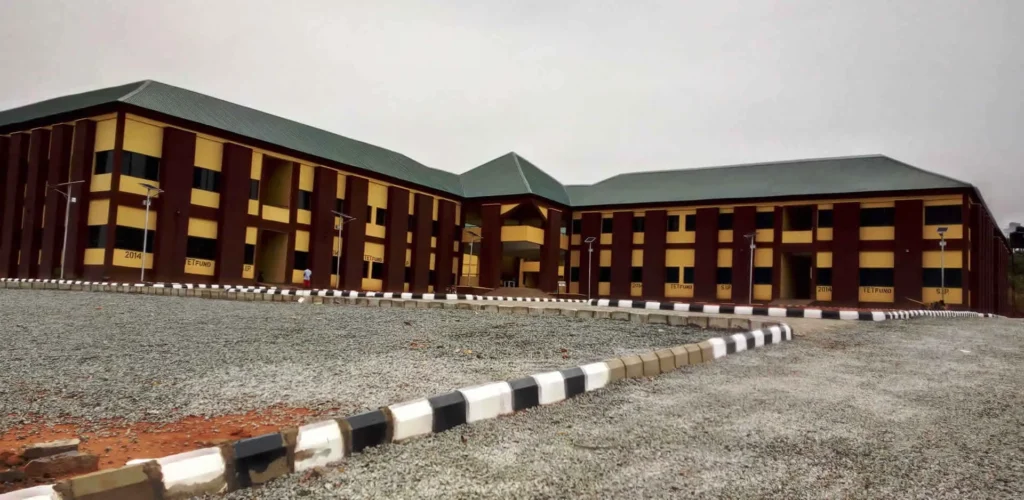
The school runs Schools of Engineering Technology, Environmental Studies, Applied Sciences, Business and Management Studies, and Hospitality Management. It is one of the few polytechnics in Nigeria offering Post-HND specialisation programmes in Building Technology and Civil Engineering, a pathway for graduates seeking deeper technical credentials before entering the construction and infrastructure sectors.
Verified Developments:
- Expanded its ODFeL (Open Distance and Flexible e-Learning) system, allowing some programmes to be accessed without full-time on-campus attendance
- Graduates continue to enter directly into the Delta State and Rivers State oil and gas supply chains, where Auchi certificates carry recognised weight with employers
- HND Engineering programmes consistently attract candidates transferring from state polytechnics in Delta, Cross River, and Bayelsa States
- Recognised by Nigeria Education News in the 2026 comprehensive polytechnic review, cited for its stable academic calendar and rigorous training culture
Why Students Choose Auchi: If you want to work in oil and gas, construction, or infrastructure in the Niger Delta corridor, an Auchi HND in a relevant engineering field opens more doors locally than many university degrees from less prestigious institutions.
Practical Note: Auchi town is hilly and requires significant walking between facilities. The environment is more rural than Lagos or Enugu this suits students who prefer fewer urban distractions and lower living costs.
4. Federal Polytechnic, Nekede Imo State
Founded: 1978 | Type: Federal | Location: Nekede, Owerri, Imo State
Federal Polytechnic Nekede is widely considered the best polytechnic in the South East and one of the most innovative federal polytechnics in the country. Its location in Owerri, a city known for commercial energy and a strong entrepreneurial culture directly influences the self-starter profile that Nekede graduates are known for. Many students launch ICT businesses, tech repair workshops, and engineering consultancies in Owerri and Port Harcourt before completing their HND.
The school runs Applied Sciences, Engineering Technology, Environmental Studies, Business Administration, and ICT programmes. Its Cybersecurity laboratory is consistently highlighted as one of the most advanced among all polytechnics in Nigeria, and the department has been identified for upgrade to a regional centre of excellence for digital security training.
Verified 2025 Developments:
- Federal Polytechnic Nekede was the only federal polytechnic selected for the 2025 OPay Scholarship Drive students received ₦300,000 each from a ₦1.2 billion fund
- Students from the School of Engineering unveiled electric car prototype models as part of a renewable energy and innovation initiative, attracting national media coverage
- The Rector has been actively pursuing direct industry absorption agreements with tech firms and engineering companies for graduating students
- Admission list for 2025/2026 has been released and the school continues active processing for the new session
Why Employers Value Nekede Graduates: Nekede graduates have a strong track record of entrepreneurship. This self-starter culture makes them attractive to firms that want employees with initiative.
Practical Note: Owerri is an active, social city. Students who want to maximise their CGPA need deliberate focus and a structured daily schedule. The surrounding environment offers many distractions.
5. Kaduna Polytechnic (KadPoly)
Founded: 1956 | Type: Federal | Location: Kaduna (5 campuses)
KadPoly is one of the largest and most structurally complex polytechnics in Africa. With over 25,000 enrolled students, nearly 3,000 staff, and five campuses across Kaduna State, it is the institutional backbone of technical education in Northern Nigeria. The school was established in 1956 as Kaduna Technical Institute and brought under full Federal Government administration in 1991.
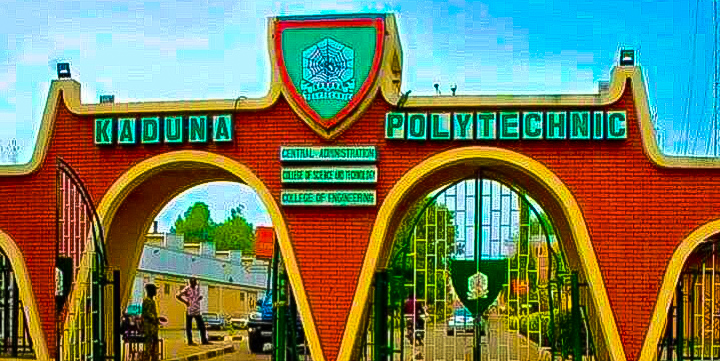
KadPoly now offers over 138 programmes across engineering, business, environmental studies, applied sciences, and social sciences. It also runs degree programmes in affiliation with the Federal University of Technology, Minna (FUTMINNA) and Ahmadu Bello University, Zaria (ABU). Its Railway Engineering Technology programme, one of the only such qualifications in Nigeria, is directly linked to employment opportunities with the Nigerian Railway Corporation.
Verified 2025 Developments:
- Received a ₦1.7 billion TETFund capital allocation for 2025 directed at new innovation hubs in Renewable Energy and Mechatronics at the Tudun Wada campus
- Began formal admission into the Railway Engineering Technology programme in partnership with the Nigerian Railway Corporation (NRC)
- Opened Evening and Weekend programmes for 2025/2026, expanding access for working professionals across Northern Nigeria
Why Students Choose KadPoly: If your career goal is the Federal Civil Service, the Nigerian Railway Corporation, or large firms headquartered in Abuja or Kaduna, KadPoly’s alumni network in the North is the strongest of any polytechnic.
Practical Note: The five-campus structure means you must confirm which campus houses your specific programme before making accommodation arrangements. Transport between campuses is available but adds daily cost and travel time.
6. The Polytechnic, Ibadan
Founded: 1970 | Type: State | Location: Ibadan, Oyo State
Polytechnic Ibadan is one of the oldest state polytechnics in Nigeria and carries the cultural weight of being located in Ibadan Nigeria’s second-largest city by area and one of its most historically significant. Its graduates are well-represented in Lagos corporate firms, multinational companies, and government agencies. The school maintains NBTE accreditation across its core Engineering, Business and Social Sciences, Environmental Studies, and Communication and IT departments.
Ibadan consistently ranks as one of the most affordable cities in Nigeria for students. A decent self-contained apartment near campus costs a fraction of what students pay in Lagos or Abuja, allowing more resources to go toward professional certifications, books, and early savings. For students targeting Lagos-based employment, the proximity roughly 2 hours by road is a genuine operational advantage.
Practical Note: The school has an active and historically powerful Student Union Government. Campus life is rich with social and academic activities. Students who balance engagement with academic focus tend to develop both professionally and personally during their time here.
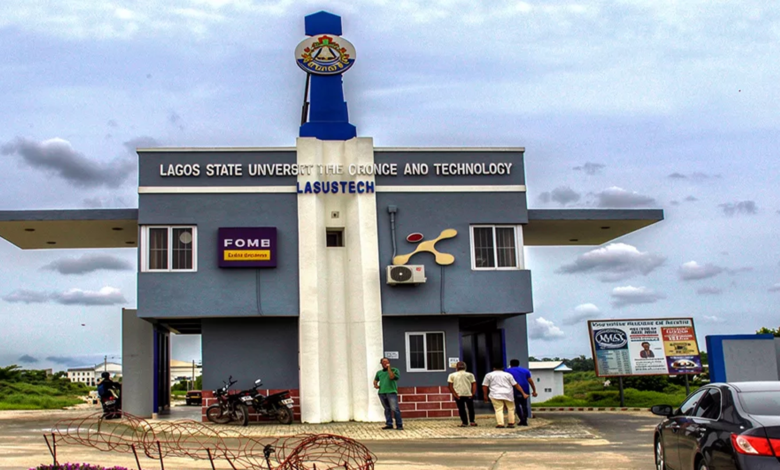
7. Lagos State University of Science and Technology (LASUSTECH)
Formerly: Lagos State Polytechnic (LASPOTECH) | Type: State University (still runs ND/HND) | Location: Ikorodu, Lagos
LASUSTECH was officially upgraded from Lagos State Polytechnic to a University of Science and Technology but continues to run its ND and HND programmes making it unique in offering polytechnic certificates within a university administrative structure. Students enrolled now benefit from both the practical-skills focus of polytechnic education and the institutional prestige of a university address in Nigeria’s commercial capital.
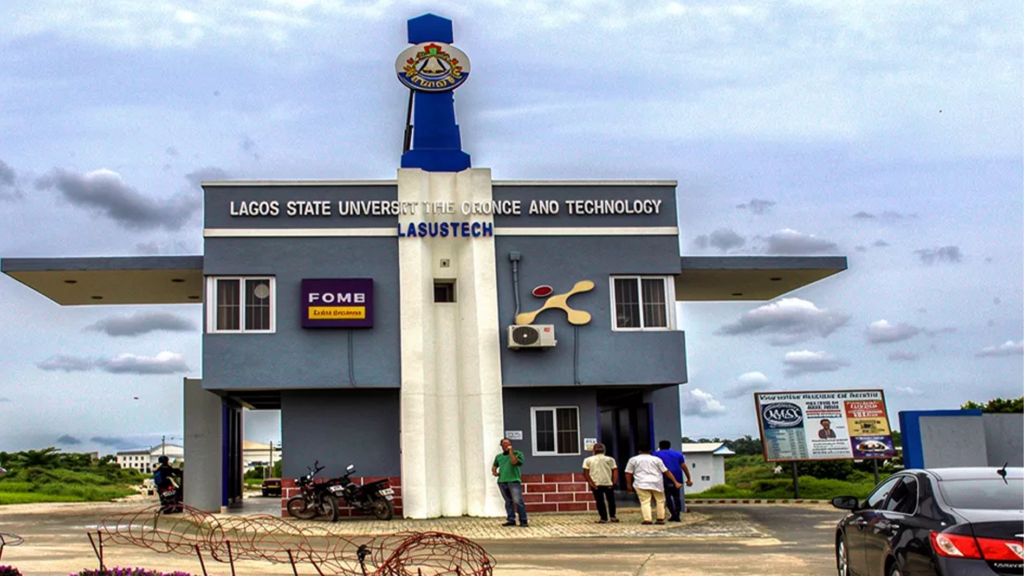
The school is headquartered in Ikorodu and maintains presence in Isolo and Surulere for certain part-time programmes. Its Agricultural Technology department runs commercial operations including water production and bread-making as part of entrepreneurship training built directly into the curriculum. Computer Science and ICT programmes have benefitted from the upgrade, attracting better-qualified lecturers and stronger industry linkages.
Practical Note: Ikorodu traffic is notorious. Students coming from Lagos Island or the mainland need to factor commute time into daily planning. Many students choose accommodation within walking distance of the Ikorodu campus to avoid losing hours daily to traffic.
8. Rufus Giwa Polytechnic
Founded: 1985 | Type: State | Location: Owo, Ondo State
Rufus Giwa Polytechnic, located in Owo, Ondo State, is one of the most respected state polytechnics in Southwest Nigeria. It has maintained academic operations despite funding pressures that have disrupted many state-owned institutions, a testament to institutional resilience that employers in the region recognise.
The school’s strongest programmes are in Agricultural Technology, Applied Sciences, Environmental Studies, and Business Administration. For students targeting careers in agro-processing, food technology, or agricultural extension services in Southwest Nigeria, Rufus Giwa is among the best foundations available. Indigenes of Ondo, Ekiti, and neighbouring states often benefit from reduced tuition and strong community support networks.
Verified 2025 Developments:
- Received NBTE approval in 2025 for new specialised laboratories in Agricultural Technology, expanding practical training capacity
- Actively positioning itself as a centre for agricultural innovation in the Ondo/Ekiti corridor, where agriculture remains the dominant economic activity
- Recognised in 2026 national reviews as a consistently reliable state polytechnic in Southwest Nigeria
Practical Note: The peaceful environment in Owo is a genuine advantage for focused study. Living costs are significantly lower than in Lagos or Abuja.
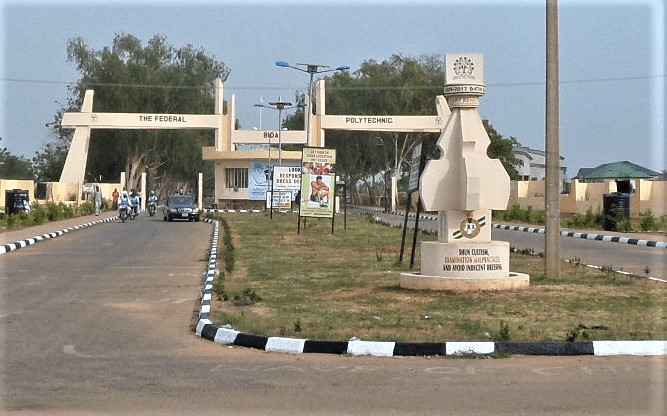
9. Federal Polytechnic, Bida
Founded: 1977 | Type: Federal | Location: Bida, Niger State
Federal Polytechnic Bida is one of the most stable federal polytechnics in the North Central region. As a federally funded institution, it benefits from consistent TETFund allocations and is largely insulated from the funding crises that periodically disrupt state-owned polytechnics. Its Business Administration programmes are among its strongest, alongside engineering technology, science, and environmental studies.
What sets Bida apart is a mandatory entrepreneurship component every student, regardless of department, must complete a practical skills acquisition module that may include soap production, fashion design, food processing, or digital services. This policy consistently produces graduates with a secondary income skill before they even enter the formal job market. The total cost of completing an ND at Federal Polytechnic Bida school fees, accommodation, and feeding combined can be lower than school fees alone at some Lagos institutions.
Practical Note: Students targeting Lagos or Abuja-based careers after graduation need to be proactive about internships, professional networking, and maintaining an active online presence during their studies. Location creates distance from major corporate hubs and closes it intentionally.
10. Institute of Management and Technology (IMT), Enugu
Founded: 1973 | Type: State | Location: Enugu, Enugu State
IMT Enugu is one of the most distinctive institutions on this list because of its formal academic affiliation with the University of Nigeria, Nsukka (UNN). Eligible IMT students can pursue UNN degree programmes through a structured top-up arrangement, effectively a route to a bachelor’s degree without leaving the IMT ecosystem. This pathway is a genuine competitive advantage for motivated students who plan ahead from ND1 by targeting Upper Credit.
The school’s strongest programmes are in Management and Business Studies, Creative Arts, Mass Communication, and Computer Science. The Graphic Design and Fine Arts programmes are widely regarded as the creative hub of the South East, with Enugu’s thriving arts and media industry directly absorbing graduates. The Mass Communication department houses some of the best-equipped radio and television studio facilities among all state polytechnics in the South East.
Practical Note: The UNN degree top-up pathway has specific CGPA eligibility thresholds. Students who want to take advantage of it should target Upper Credit (3.50+) from ND1 onwards the trajectory matters from the very first semester.
Complete List of Federal Polytechnics in Nigeria (2026)
All federal polytechnics in Nigeria operate under the supervision of the National Board for Technical Education (NBTE). The following institutions are currently accredited federal polytechnics:
- Yaba College of Technology (YABATECH) Lagos
- Federal Polytechnic, Ilaro Ogun State
- Auchi Polytechnic Edo State
- Federal Polytechnic, Nekede Imo State
- Kaduna Polytechnic Kaduna State
- Federal Polytechnic, Bida Niger State
- Federal Polytechnic, Offa Kwara State
- Federal Polytechnic, Ede Osun State
- Federal Polytechnic, Bauchi Bauchi State
- Federal Polytechnic, Nasarawa Nasarawa State
- Federal Polytechnic, Mubi Adamawa State
- Federal Polytechnic, Damaturu Yobe State
- Federal Polytechnic, Idah Kogi State
- Federal Polytechnic, Oko Anambra State
- Federal Polytechnic, Kaura Namoda Zamfara State
- Federal Polytechnic, Bali Taraba State
- Federal Polytechnic, Daura Katsina State
- Federal Polytechnic, Ukana Akwa Ibom State
How to Verify NBTE Accreditation Before Paying Any Fees
This is one of the most important steps any prospective polytechnic student in Nigeria can take and the most frequently skipped. The National Board for Technical Education (NBTE) is the government body responsible for accrediting all polytechnic programmes in Nigeria. Every programme has one of three possible accreditation statuses:
- Full Accreditation the programme meets all academic and physical facility standards. Your certificate will be recognised by employers, NYSC, and universities for top-up programmes.
- Provisional Accreditation the programme meets minimum standards but has gaps. You can enrol, but there is a risk of complications during NYSC mobilisation if the status lapses before you graduate.
- No Accreditation / Expired serious red flag. Certificates from unaccredited programmes face rejection during NYSC screening and when applying for postgraduate admission.
How to check: Visit nbte.gov.ng and use the institution search tool to verify the accreditation status of your specific course at your chosen school before paying any acceptance or school fees.
Survival Guide for Polytechnic Students in Nigeria
1. Start Your IT Search in ND2 First Semester Not After ND
Do not wait until you finish ND before thinking about where to do your Industrial Training. Start searching in your second semester of ND2. The best IT placements in tech firms, engineering companies, media houses, banks, or oil and gas firms go to students who apply early with a well-prepared CV. A student who completes IT at a reputable company using industry-standard tools will have a significant edge over classmates who spent the year in a low-activity placement just to collect the SIWES logbook signature.
2. Plan Your CGPA Trajectory from ND1 for Master’s Degree Eligibility
For students who want to pursue a Master’s degree after HND, the target should be Upper Credit (CGPA of 3.50 and above). Many universities now accept HND holders with Upper Credit for direct Master’s admission in related fields, bypassing the Postgraduate Diploma (PGD) requirement that was previously mandatory. If your goal is a Master’s degree, plan from ND1 your CGPA trajectory matters from the very first semester.
3. Open a Dedicated Savings Account from ND1
Polytechnic fees at federal institutions are low by design, but the full cost of a polytechnic education accommodation, feeding, transportation, study materials, and personal expenses adds up significantly over five years. Students who open a savings account (Kuda, OPay, or any standard bank) from ND1 and treat school fees as a non-negotiable monthly savings target are consistently better positioned than those who rely on last-minute family remittances.
4. Verify Your O’Level Names Match Your NIN at NIMC
Certificate name discrepancies during NYSC mobilisation are one of the most common and entirely preventable problems facing polytechnic graduates. Confirm your documents are consistent across WAEC/NECO, JAMB, and your National Identity Number before your first semester begins.
5. Add at Least One Professional Certification During Your Programme
Employers increasingly differentiate between ND/HND holders by the additional certifications they carry. Depending on your field: Google Career Certificates, Microsoft certifications, AutoCAD proficiency, ICAN/ATSWA for accounting students, or vendor certifications in networking and cybersecurity. Start one in ND2 or during your IT year.
Frequently Asked Questions About Polytechnics in Nigeria
Based on Webometrics rankings, research output, industry partnerships, calendar stability, and graduate employability, YABATECH (Yaba College of Technology) remains the best polytechnic in Nigeria in 2026. Federal Polytechnic Ilaro is the top choice for calendar reliability and graduate discipline, while Federal Polytechnic Nekede leads in innovation and entrepreneurship in the South East.
The top 10 polytechnics in Nigeria for 2026 are YABATECH, Federal Polytechnic Ilaro, Auchi Polytechnic, Federal Polytechnic Nekede, Kaduna Polytechnic, The Polytechnic Ibadan, LASUSTECH, Rufus Giwa Polytechnic, Federal Polytechnic Bida, and IMT Enugu. Rankings are based on NBTE accreditation, academic stability, and graduate employability.
YABATECH, Auchi Polytechnic, Federal Polytechnic Nekede, and Kaduna Polytechnic are consistently the top choices for engineering programmes. YABATECH leads in Lagos with the broadest industry connections nationwide. Auchi is the strongest choice for students targeting the oil and gas and construction sectors in the South-South. KadPoly is the best for Northern Nigeria, with the unique Railway Engineering Technology programme.
Federal Polytechnic Ilaro consistently has the most stable academic calendar among all polytechnics in Nigeria. The institution has not experienced a single strike-related academic disruption for close to two decades, a record no other polytechnic in Nigeria can match.
Polytechnics in Nigeria focus on practical, hands-on technical training that prepares students for direct workforce entry. Universities emphasise theoretical knowledge, research, and academic inquiry. Polytechnics award the National Diploma (ND) and Higher National Diploma (HND), while universities award Bachelor’s, Master’s, and Doctoral degrees. HND holders from polytechnics can pursue Master’s degrees in many Nigerian universities, particularly with Upper Credit results.
A complete polytechnic education from ND1 to HND graduation takes five years: two years for the National Diploma, one mandatory year for Industrial Training (SIWES), and two years for the Higher National Diploma.
You need a minimum of five O’Level credits in WAEC, NECO, or NABTEB, including English Language and Mathematics, in no more than two sittings. You also need a valid JAMB UTME score of at least 120, though competitive programmes at top-ranked schools typically require 150–200 or higher. Always check the JAMB brochure for subject-specific requirements for your intended programme.
Yes, with conditions. HND holders who graduate with Upper Credit (CGPA of 3.50 and above) can apply for direct Master’s admission in many Nigerian universities. Those with Lower Credit may be required to complete a Postgraduate Diploma (PGD) first. Specific requirements vary by university and department.
Kaduna Polytechnic (KadPoly) is among the largest polytechnics in Nigeria, with over 25,000 enrolled students and nearly 3,000 staff members spread across five campuses in Kaduna State.
Yes. Employer surveys show that 70–85% of graduates from top-ranked federal polytechnics find employment within one year of graduation. Industries actively recruiting polytechnic graduates include oil and gas, construction, banking, telecommunications, information technology, manufacturing, and the civil service. Graduates from stable, well-accredited institutions with strong IT experience typically have the shortest job search periods.
Final Word
Nigeria’s economy in 2026 is increasingly a skills economy. Across sectors tech, construction, oil and gas, media, agriculture, and finance the demand is for people who can actually perform tasks, not just present certificates. A well-earned HND from a top polytechnic in Nigeria, paired with real Industrial Training experience and at least one professional certification, is a credible and competitive career foundation.
The ten polytechnics on this list are the best starting points. But the school only provides the structure. What you build within that structure, the CGPA, the IT experience, the professional network, the side skills determines where you end up.
Before anything else:
- Verify your O’Level names match your NIN at NIMC certificate discrepancies during NYSC are common and preventable
- Confirm your course accreditation status on the NBTE website before paying any acceptance fee
- Start planning your Industrial Training placement from ND1, not ND2
- Open a dedicated savings account for school fees immediately fees increase by 10–20% most sessions without advance warning
Which of these schools is the right fit for you? If you have questions about a specific course, campus, or career path, drop a comment below.